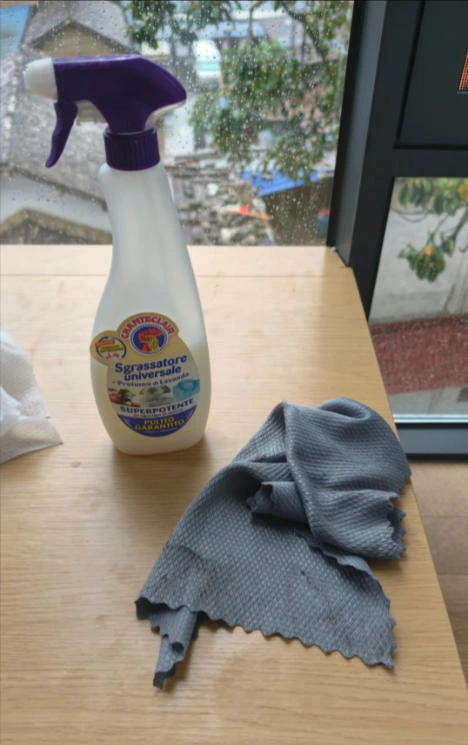
After years of use, cabinet doors inevitably collect fingerprints, dust, smudges and even light oil splatters, especially for sideboards and kitchen cabinets. Many homeowners grab strong detergent or rough scouring pads to scrub, only to leave micro scratches or fade the cabinet surface coating. Actually, you don’t need harsh chemicals. One easy trick can clean your cabinets safely and effortlessly.
What You Need to Prepare
- Microfiber cloth (soft, lint-free, no hard particles)
- Lukewarm water + a tiny drop of mild neutral dish soap
- A second dry microfiber cloth for drying
Important reminder: Stay away from abrasive scouring pads, bleach, alcohol, strong degreasers and acidic cleaners. These chemicals will corrode the surface finish, cause discoloration or peeling veneer over time.
The Simple Step-by-Step Cleaning Method
Step 1: Remove loose dust first
Wipe the cabinet surface gently with a dry microfiber cloth to sweep away floating dust. This prevents hard dust grains from scratching the coating when you start wet wiping.
Step 2: Prepare the mild cleaning solution
Add just one small drop of neutral dish soap into a bowl of lukewarm water and stir lightly. Dip the cloth in the mixture and wring it out thoroughly. The cloth should be damp, NOT soaking wet. Too much water can seep into edges and cause panels to swell or mold.
Step 3: Wipe stains gently
Wipe the cabinet door following one direction. Focus on areas with fingerprints and smudges. Do not scrub back and forth vigorously. For stubborn light stains, leave the damp cloth on the spot for 20 to 30 seconds to soften the grime, then wipe again.
Step 4: Dry immediately
Use the dry microfiber cloth to wipe the surface right after damp cleaning. This removes residual moisture and avoids water marks, especially critical in humid plum rain weather.
Different Cabinet Surfaces: Quick Notes
- Melamine / laminate panels: This method works perfectly. Avoid long-time water contact on edge banding.
- UV high-gloss cabinets: Must use microfiber cloth only. No rough cloth, to prevent fine scratches on shiny surfaces.
- Wood veneer cabinets: Keep the cloth extra dry. Never let water sit on the wood surface.
How to Handle Stubborn Stains
For heavier oil marks that the soapy water cannot remove, do not spray cleaner directly on the cabinet. Put a tiny amount of dedicated neutral cabinet cleaner onto the cloth first, then wipe the stain. Test on an invisible corner beforehand to check for discoloration.
Daily Maintenance Habits
Regular light cleaning is much easier than heavy deep cleaning. Simply wipe cabinets with a dry microfiber cloth once every 1–2 weeks to stop dust buildup. Clean spills immediately once they happen; do not let liquid stay on the cabinet for hours.
Common Mistakes To Avoid
- ❌ Using steel wool or hard scrub sponges — leaves permanent scratches
- ❌ Spraying cleaner directly onto cabinet doors — liquid penetrates edge banding
- ❌ Using strong chemicals like bleach, thinner or bathroom cleaner
- ❌ Leaving wet cloth on cabinet surfaces for a long time
Final Thought
Custom cabinet surfaces are not hard to maintain. The key is gentle cleaning and avoiding harsh products. This simple trick keeps your cabinets clean and preserves their original finish for many years. If you find damaged edge banding, swollen panels or peeling coating during cleaning, contact us for professional inspection and repair.
If you plan whole-house custom cabinets, book our free on-site measurement service. We will share full maintenance guidance upon handover.