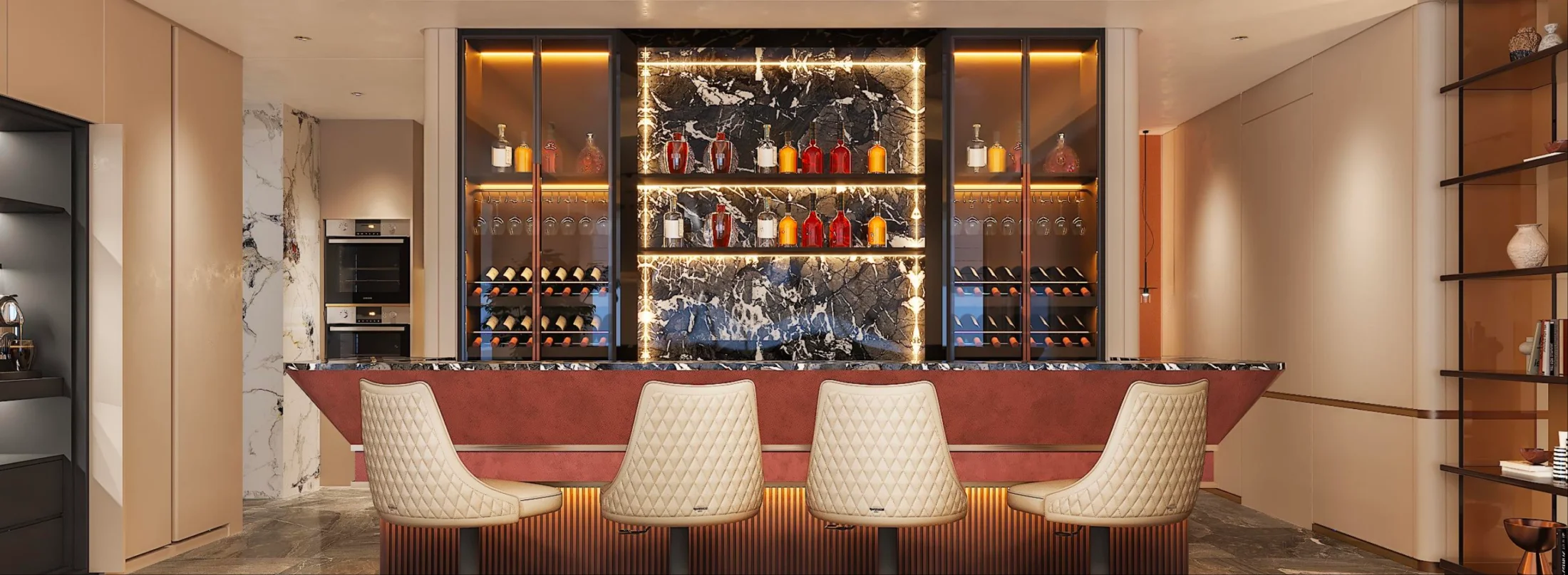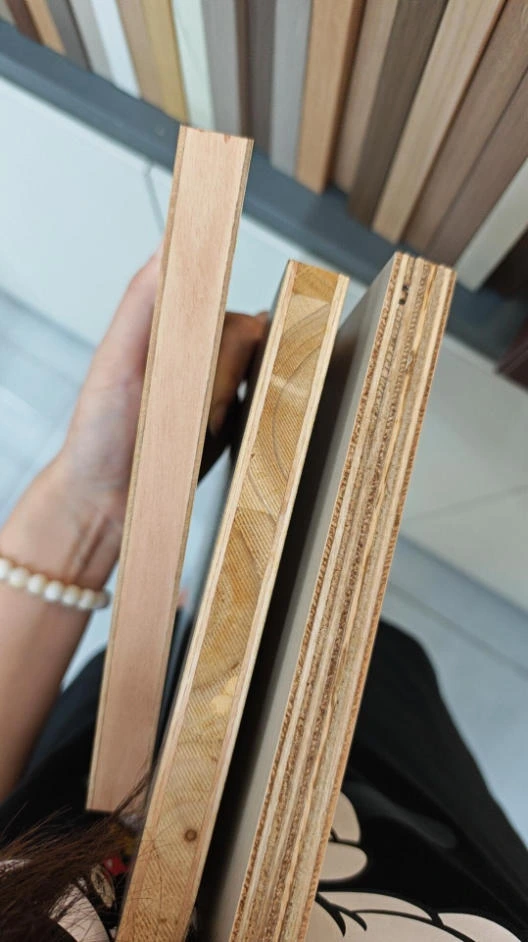
For whole-house custom cabinets, panels are the core raw material. Many suppliers claim their boards are eco-friendly, but not all of them can deliver stable quality in mass production.
When selecting our panel partners, we put environmental protection above price. Lower cost will never be the reason for us to compromise on environmental standards. Here is our supplier screening process.
The first checkpoint is environmental performance. We prioritize ENF-grade panels, currently the strictest formaldehyde emission standard on the market.
We do not accept simple promotional flyers. Every supplier must provide valid, batch-based inspection reports, certification documents and anti-counterfeit verification channels. We will randomly sample incoming boards for rechecking to confirm real performance matches the report.
We reject suppliers who only provide lab sample test reports but fail mass production consistency.
Low formaldehyde relies on good adhesive and stable manufacturing technology. We audit suppliers’ production lines, glue formulations and raw material sources.
We assess whether they use low-formaldehyde adhesives and control pollution during production. Even if the board meets the emission standard, we will rule out partners with unstable production management, which may cause quality fluctuation between batches.
Environmental protection cannot come at the cost of physical quality. We examine indexes such as moisture resistance, internal bonding strength, surface wear resistance and flatness.
For example, kitchen and balcony cabinets need better moisture-swelling resistance. Wardrobe panels require stable flatness to prevent door warping. Eco-friendly boards must also be durable enough for decades of household use.
4. Inspect edge banding matching capability
Even high-quality eco-boards may release trace formaldehyde if edge sealing is poor. We check whether suppliers can provide matching veneer and edge banding strips.
We prefer suppliers whose panels work well with PUR edge banding technology. Tight, bubble-free edge sealing locks in the substrate and minimizes volatile substance release, maximizing the environmental effect of high-grade boards.
5. Audit factory credibility, capacity and after-sales support
We also review the supplier’s operating history, production capacity, quality control system and reputation. We avoid small workshops with unstable output.
A qualified supplier must maintain stable stock, consistent color matching and responsive complaint handling. If batch defects appear, they need to take responsibility quickly. Stable cooperation helps us deliver consistent cabinets to every homeowner.
6. Balance cost without sacrificing environmental standards
We do seek reasonable pricing, but cost evaluation only happens after environmental and quality requirements are satisfied.
We will not switch to cheaper boards with lower emission grades just to cut quotations. Price negotiation takes place only among suppliers who pass all our eco and quality audits.
What This Means For Homeowners
When you order custom cabinets from us, you can trace the source of your panels. We clearly mark the panel brand, grade and certification information in the contract.
We keep incoming inspection records for every batch of boards. You can request verification documents for the materials used in your project.
Final Thoughts
For us, environmental performance is not a marketing slogan. It is the bottom line when choosing panel suppliers.
Good custom cabinets start with qualified eco-friendly panels, reliable craftsmanship and strict incoming inspection. If you want whole-house custom cabinets with carefully selected low-formaldehyde panels, book our free on-site measurement service.