 Custom Design. Factory Made. Globally Delivered BITY FULL HOUSE FACTORY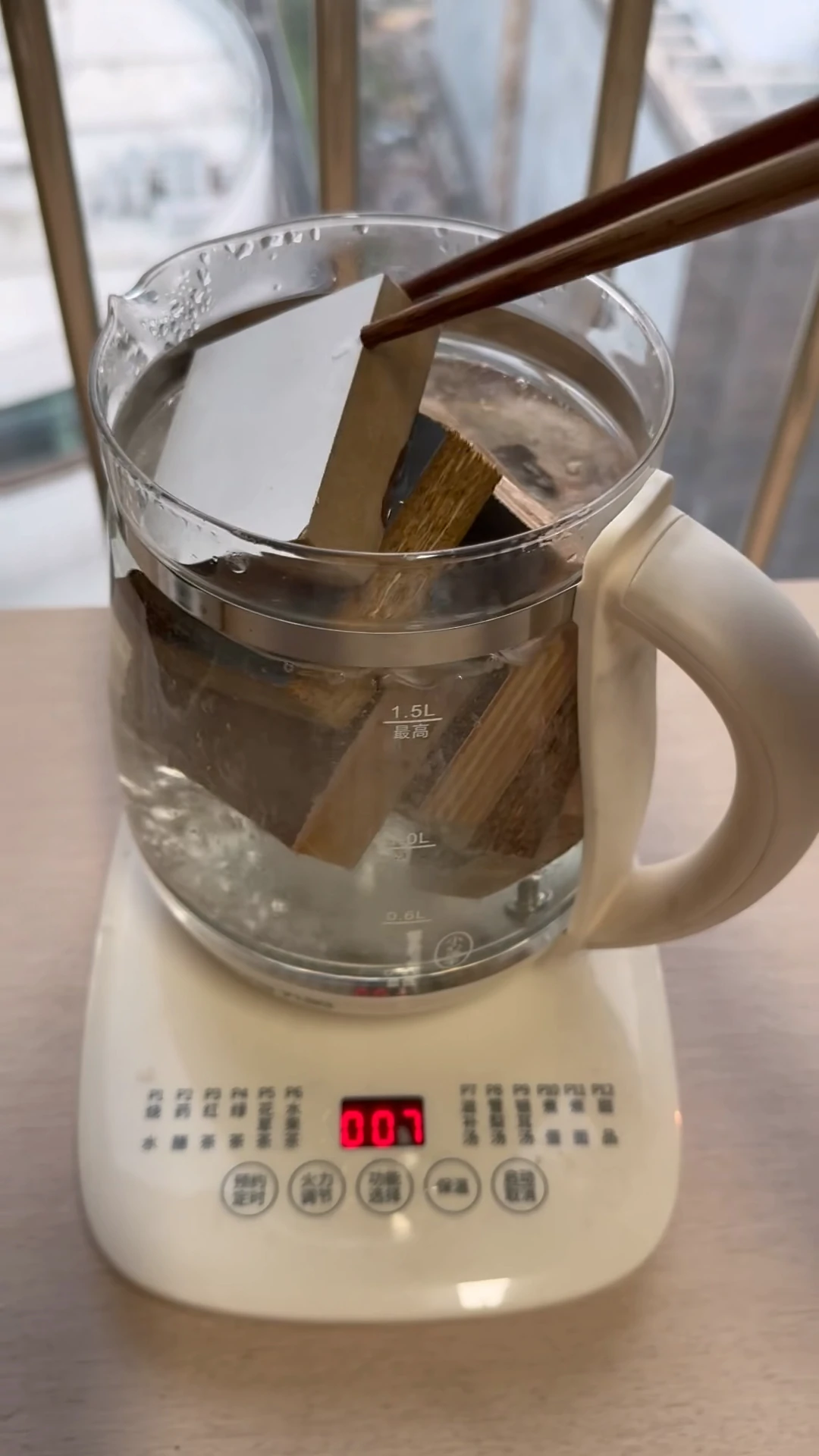
Particle Board vs Ecological Board: Which Has Better Moisture Resistance?
When customizing cabinets, wardrobes, and bathroom storage furniture, most homeowners get stuck choosing between particle board and ecological board. Moisture swelling, mold growth, and deformation are the top renovation headaches—so which substrate holds up better in humid environments? Online debates are endless. To clear up your confusion, we ran identical moisture immersion and high-humidity aging tests on both panels to show their real moisture-proof performance gap.
1. Short-Term Water Splash Test: Ecological Board Wins
Ecological board features a solid wood core with interlocked solid wood strips, compact internal structure with few tiny gaps. Brief water splashes on the surface won’t penetrate the inner core; just wipe with a dry cloth, no swelling or bubbling on edges.
Particle board is compressed from crushed wood scraps and adhesive powder. Its interior is full of loose tiny pores. Even a small water spill seeps into the panel quickly, causing edge expansion within 10 minutes, leaving uneven bulges that ruin cabinet door flatness.
Result: Ecological board handles accidental water splashes far better for daily use.
2. Long-Term Humidity & Steamy Environment Test: Ecological Board Takes the Lead
We placed both panels in a constant 85% humidity chamber for 72 hours to simulate coastal cities, rainy seasons, and steamy kitchens/bathrooms.
Ecological board solid wood core has stable internal fiber structure. After three days of high humidity, its thickness swelling rate stays below 6%, surface stays flat, no mildew spots on cross-sections.
Particle board absorbs ambient moisture rapidly through micro-pores. The test sample swelled over 16% in thickness, panel edges warped noticeably, and dark mold appeared on the cut cross-section after 48 hours of continuous dampness.
Result: Ecological board avoids warping and mold in long-term humid surroundings.
3. Full Water Immersion Test (Wet Area Extreme Test): Ecological Board’s Core Advantage
This test targets bathrooms, balcony cabinets, and under-sink storage—spaces with frequent water contact, the biggest renovation misconception for many buyers.
Ecological board solid wood strips are closely spliced, with low water absorption of natural solid wood. After 24-hour full immersion, only thin surface veneer absorbs minor water; the inner core does not disintegrate, and no permanent loose deformation occurs.
Particle board’s scrap particle structure collapses once soaked. After 12 hours underwater, internal wood particles separate from adhesive, the panel bloats severely, the whole board softens and turns mushy, and cannot recover its original shape even after full drying.
Result: Ecological board is vastly more practical for wet, high-moisture functional zones.
4. Cut Edge Anti-Moisture & Late Maintenance Test
All cabinet panels need cutting during customization, and bare edges are the most vulnerable to moisture intrusion.
Ecological board solid wood cross-section absorbs water slowly. Even if edge banding peels off accidentally, the solid core won’t swell rapidly; re-sealing the edge can restore its moisture-proof performance.
Particle board bare cut edges act like sponges. Once edge banding comes loose, moisture rushes into internal particles immediately. Local swelling will spread to the whole panel within weeks, and the damaged section cannot be fully repaired.
Result: Ecological board has stronger tolerance for edge banding damage and easier long-term maintenance.
5. Long-Term Aging & Anti-Mildew Comparison
Persistent dampness triggers mold, which damages furniture and releases harmful volatile substances.
Ecological board dense solid wood core blocks moisture deep penetration; mold can only grow on the surface veneer and can be wiped off thoroughly with mold remover, no deep-rooted mildew inside the board.
Moisture trapped inside particle board creates a closed damp microenvironment. Mold grows deep inside the particle gaps, and internal mildew cannot be completely cleaned, leading to persistent odor and gradual panel decay year after year.
Final Selection Rule (100% Test-Verified)
Choose Ecological Board for: Kitchen cabinets, bathroom vanities, balcony storage, coastal home furniture, rainy-area wardrobes, under-sink cabinets—all damp, water-prone spaces with high humidity risks.
Choose Particle Board for: Dry bedrooms, study desks, TV background wall cabinets, dry entryway storage—indoor dry areas with zero regular water exposure, low budget demand, smooth uniform flatness for simple matte/gloss door finishes.
Industry Truth
There is no universally perfect board; only materials suited to different space humidity conditions.
Ecological board is moisture-resistant, mold-proof and low-maintenance for damp functional areas.
Particle board delivers stable flatness and cost advantages for fully dry indoor spaces with no water contact.
Never follow online trends blindly. Matching panel substrate material to room humidity is the key to long-term undamaged cabinets and wardrobes.
If you’re confused about board material selection for your whole-house customization, book our on-site customization service. We match the most suitable panel material for each room’s humidity condition, balancing moisture resistance, durability and budget perfectly.