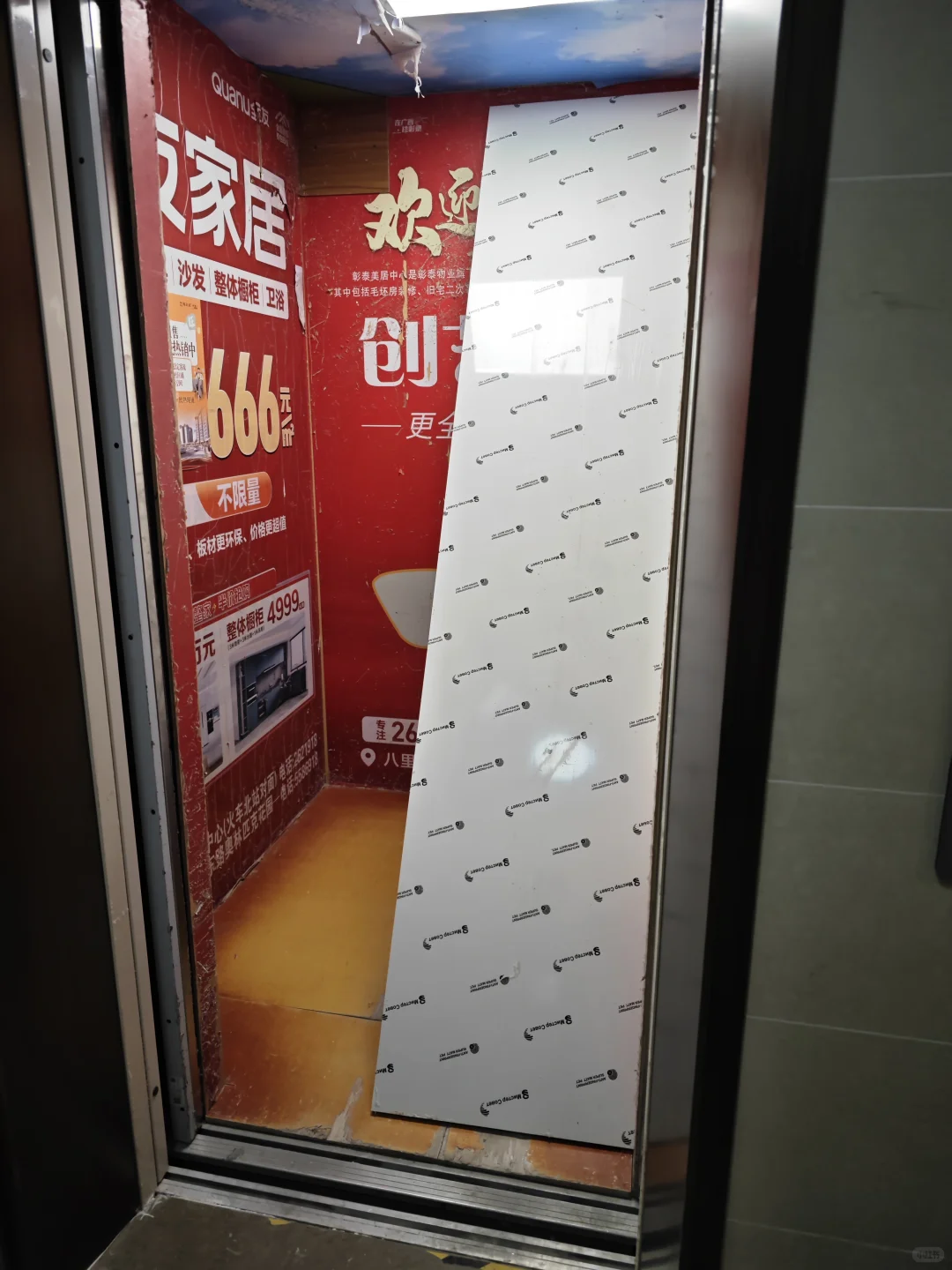
Floor-to-ceiling integrated cabinet doors have become a mainstream custom furniture choice for minimalist homes, boasting seamless vertical visuals with no dividing lines. Yet most homeowners are confused before installation: these single-piece doors stretch 2.4m to 2.7m tall, ultra-long and fragile. How can installers safely haul them up narrow, twisted staircases without scratches or wall bumps? Today we bring full real-shot footage from our installation site to fully uncover the professional moving workflow.
Amateur movers often rush lifting without protection, resulting in dented door edges, scratched paint and chipped wall plaster. Our installation team follows a fixed 5-stage standardized process to guarantee zero damage to cabinet doors, walls and stair finishes throughout the whole upstairs transport.
Step 1: Full Shockproof Wrapping Before Unloading – Lock Out Surface Damage Risks
Every tall cabinet door receives multi-layer protective packaging straight from our factory workshop, and we reinforce wrapping again on-site before moving upstairs:
1. Clip hard foam corner guards onto all four door edges, the most vulnerable collision-prone areas.
2. Wrap the entire door panel with thick bubble wrap to buffer friction and impact.
3. Cover the whole surface with thick moving blankets, then fasten tightly with stretch wrap to prevent slipping during lifting.
4. Install anti-slip lifting straps vertically and horizontally to evenly distribute weight and avoid concentrated pressure leaving indentations on door paint.
Core Supervision Tip: Never allow workers to carry unwrapped or thinly padded cabinet doors; unprotected edges will dent with minor bumps.
Step 2: Pre-Measure Stair Passage & Clear Obstacles – Map Out a Safe Moving Route
Before lifting the wrapped door, our installers complete full dimension measurement on the stairwell first: stair landing width, stair turn radius, ceiling clearance height and doorway width.
- We remove all hallway shoe racks, potted plants and loose debris blocking the moving path.
- Wrap stair railings, wall corners and door frames with spare moving blankets to prevent scrapes from swinging long doors.
- For tight spiral or narrow old-building stairs, we mark the optimal tilting angle to avoid getting the door stuck mid-flight.
Many failed moving accidents happen due to skipping route inspection; advance preparation eliminates 90% of stuck or collision incidents.
Step 3: Two-Person Coordinated Lifting – High-Low Balance Technique for Stair Climbing
We deploy two professional installers for each floor-to-ceiling door, with strict division of labor following the high-low balance rule for stair ascent:
1. The worker standing on the lower stairs supports the door’s bottom section, bearing most of the weight, lifting with legs instead of waist to avoid strain.
2. The worker at the upper landing holds the door’s top edge, controls vertical tilt and guides the direction to prevent the tall panel from swinging and hitting walls.
3. The pair uses unified verbal cues like “lift”, “tilt”, “pause” and “turn” to sync every movement, advancing one stair step at a time without rushing.
4. The door is always kept slightly tilted diagonally rather than fully upright, which shortens vertical height and fits limited ceiling clearance on stair landings.
Standard Rule: One person never attempts to carry a full-height cabinet door alone; single-person lifting easily causes bending or surface cracking.
Step 4: Key Skill – Rotate Long Doors Around Narrow Stair Corners
The biggest challenge lies in navigating 90-degree stair turning landings, where rigid long panels easily jam. Our team adopts the L-shaped tilting rotation method:
1. Stop fully on the landing before the turn, adjust the door into an L diagonal angle, with one end leaning toward the stair risers and the other toward the landing ceiling gap.
2. The top worker slowly pivots the upper half inward while the bottom worker slides the lower half outward, rotating the door bit by bit rather than forcing a hard turn.
3. Constantly check the gap between door edges and wall plaster during rotation to maintain 3–5cm buffer space and avoid scraping paint off walls or cabinet doors.
4. Pause to readjust padding if the door touches any wall surface during rotation.
Step 5: Safe Temporary Placement & Unpacking After Reaching Target Floor
Once the door is carried to the homeowner’s floor, we do not lay it flat horizontally (long-term flat storage may warp large panels). Instead, we lean it vertically against padded wall surfaces with foam cushions between the door and wall to isolate friction.
We only remove wrapping materials right before formal installation. Each protective layer is peeled off gently for visual inspection, checking for scratches, dents or paint damage during transport. If any flaw appears, we record it immediately and arrange factory touch-up or replacement before mounting.
3 Common Irregular Shortcuts Homeowners Need To Stop On-Site
- Omit foam corner protection: Direct collision with stair edges leaves permanent dents on cabinet doors.
- Single-person lifting without straps: Uneven weight leads to panel bending and paint cracking.
- Skip wall/railing padding: Swinging tall doors scrape off wall paint, leaving costly renovation marks.
Why Professional Custom Brands Master This Tough Transport Task
Many homeowners worry full-height one-piece doors cannot enter their units, yet standardized protection and coordinated lifting solve all stair passage obstacles. Disassembling doors into split panels is an alternative, but segmented cabinet doors lose the seamless minimalist aesthetic customers pursue. Our complete protective moving workflow preserves the integrated look while eliminating transport damage risks.
When you book whole-house floor-to-ceiling cabinet customization, confirm your supplier provides full padded transport and professional two-person installation teams. This real-shot guide lets you supervise the door moving process independently during on-site construction, ensuring your high-value custom doors arrive undamaged.
If you’re planning seamless floor-to-ceiling cabinetry and fear transport or installation damage, book our free on-site measurement service. Our experienced installation teams follow full protective moving standards for all oversized cabinet doors, delivering flawless finished cabinetry to your home.