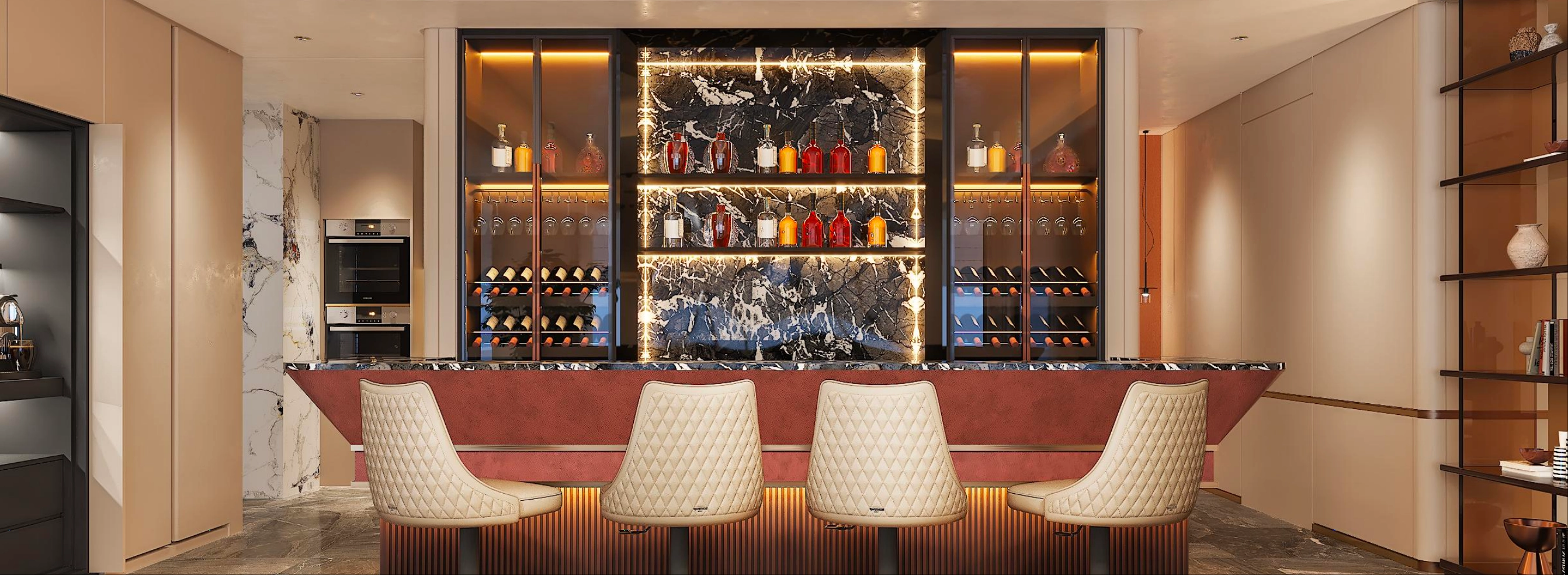
There's a moment in every villa renovation project when you stand in front of an empty bedroom and realize: the wardrobe isn't just storage. It's the backbone of the room. Get it right, and the entire space feels intentional, organized, luxurious. Get it wrong, and no amount of beautiful wallpaper or designer lighting can compensate for a closet that doesn't work.
After years of designing and manufacturing custom wardrobes for villa projects around the world, we at BITY have learned that the difference between a good wardrobe and a great one comes down to three things: materials, style execution, and intelligent features. This guide walks you through each of these dimensions so you can make informed decisions for your own project - whether you're building from scratch or renovating an existing space.
Understanding Your Space Before You Choose Anything
Before we talk about materials or styles, let's start with something that gets overlooked surprisingly often: spatial analysis. A custom wardrobe's greatest advantage is that it's built for your specific room - but that advantage only materializes if the design process begins with a thorough understanding of the space.
For villa bedrooms, this means considering ceiling height (villas often have generous 3-meter-plus ceilings that standard wardrobes can't fully utilize), wall irregularities (older villas especially may have walls that aren't perfectly plumb), natural light sources (which affect how materials and finishes appear throughout the day), and traffic flow (how people move through the room and access the wardrobe).
At BITY, every project begins with precise on-site measurement - or, for international clients, detailed remote measurement guidance. This isn't a formality. It's the foundation that everything else builds upon. We've seen projects where a 2-centimeter measurement error cascaded into weeks of delays and costly modifications. Precision at the start saves time, money, and frustration down the line.
Materials: The Choices That Define Quality and Longevity
The material conversation in custom wardrobes has evolved significantly. A decade ago, the primary question was "solid wood or engineered board?" Today, the options are far more nuanced, and the right choice depends on your climate, usage patterns, aesthetic preferences, and health priorities.
ENF-Grade Eco-Friendly Boards
If indoor air quality is a priority - and it should be - ENF-grade boards deserve your attention. ENF represents the strictest formaldehyde emission standard currently available, with emission levels so low they're essentially at the detection threshold. For families with children, allergy sufferers, or anyone who simply wants the cleanest possible indoor environment, ENF-grade boards are the gold standard.
These boards have come a long way in terms of aesthetics too. Modern ENF-grade panels are available in a wide range of finishes, from wood grain textures that are nearly indistinguishable from solid wood to sleek matte surfaces that suit contemporary design. The days when choosing eco-friendly meant compromising on appearance are firmly behind us.
Solid Wood
There's a warmth and character to solid wood that engineered materials can approximate but never quite replicate. For villa wardrobes where budget allows and the design calls for natural richness, solid wood remains a compelling choice. Oak, walnut, and cherry are popular options, each bringing distinct grain patterns and color tones.
The practical consideration with solid wood is moisture sensitivity. In humid climates - coastal villas, tropical locations - solid wood requires more careful environmental control. Modern finishing techniques have improved moisture resistance significantly, but it's still a factor worth discussing with your manufacturer.
Rock Slabs and Glass
For accent elements - wardrobe island tops, display shelving, door panels - rock slabs and tempered glass add a layer of sophistication that's hard to achieve with wood alone. Rock slabs, in particular, have become increasingly popular in luxury wardrobe design. They're incredibly durable, resistant to scratching and staining, and available in dramatic patterns that can serve as visual focal points.
Glass doors, whether clear, frosted, or tinted, introduce lightness and visual depth to wardrobe designs. Combined with interior LED lighting, glass-fronted sections can transform a wardrobe from a purely functional element into a display feature that showcases your favorite pieces.
Style Directions: Finding Your Aesthetic Language
One of the questions we hear most frequently is: "What style should I choose?" The honest answer is that there's no universal "best" style - only the style that resonates with your personal taste and harmonizes with your home's architectural character. That said, here's how the most popular directions translate into wardrobe design:
Italian Minimalist
Clean lines, handleless doors, monochromatic color palettes, and an emphasis on proportion. Italian minimalist wardrobes feel effortlessly elegant because every element is reduced to its essential form. This style works particularly well in modern villas with open floor plans and abundant natural light. The key to executing it well is precision - when there are no decorative elements to distract the eye, every joint, every gap, every alignment must be perfect.
Modern Light Luxury
This style takes minimalism as a starting point but adds selective touches of richness - a leather-wrapped handle here, a brass accent there, a section of fluted glass that catches the light. It's about restraint with moments of indulgence. Modern light luxury wardrobes often combine matte finishes with metallic details and incorporate materials like rock slabs for island surfaces or display areas.
New Chinese
A contemporary reinterpretation of traditional Chinese design principles, this style balances symmetry, natural materials, and cultural motifs with modern manufacturing precision. New Chinese wardrobes might feature lattice-inspired door patterns executed in modern materials, or combine dark wood tones with subtle gold accents. It's a style that carries cultural depth without feeling dated.
Nordic Simple
Light wood tones, functional simplicity, and a focus on creating calm, uncluttered spaces. Nordic-inspired wardrobes prioritize usability and natural materials, often incorporating open shelving sections alongside closed storage. This style pairs beautifully with the bright, airy interiors that characterize Scandinavian-influenced architecture.
Smart Features: Where Technology Meets Daily Life
The integration of technology into wardrobe design has moved well beyond novelty. Today's smart features solve real problems and genuinely improve the daily experience of using your wardrobe.
Intelligent Lighting Systems
Motion-activated LED lighting inside wardrobes is perhaps the single most impactful smart feature available. When you open a door or pull out a drawer, soft lighting illuminates the contents automatically. No more fumbling in a dark closet at 6 AM trying not to wake your partner. The best systems use warm-tone LEDs that render colors accurately - important when you're choosing between that navy suit and the charcoal one.
Some advanced configurations include adjustable color temperature lighting that can shift from warm to cool tones, helping you see how clothing colors will appear in different lighting environments throughout the day.
Hardware Damping Systems
Soft-close hinges and drawer slides have become standard in quality custom wardrobes, and for good reason. The gentle, controlled closing action protects both the furniture and your sanity. In a household with multiple family members, the cumulative noise reduction from soft-close hardware is surprisingly significant.
Premium damping systems also extend the life of the wardrobe by reducing the impact stress on joints and panels that occurs with every close. Over thousands of cycles, this adds up to meaningfully less wear.
Motorized Components
For wardrobes with high ceilings - common in villas - motorized pull-down hanging rails bring upper storage within easy reach. Similarly, motorized shoe racks, rotating tie holders, and lift-up shelf systems can maximize the utility of every cubic centimeter of wardrobe space.
These features are particularly valuable for aging-in-place design, where accessibility considerations make it important that all storage areas can be reached without stretching, bending, or climbing.
The Design Process: What to Expect
If you haven't been through a custom wardrobe project before, here's a realistic overview of the process:
Consultation and Measurement (1-2 weeks): Initial discussion of needs, preferences, and budget, followed by precise on-site or remote measurement. This is where the design team learns about your lifestyle - how many people will use the wardrobe, what types of clothing and accessories need to be stored, any specific organizational preferences.
Design Development (2-3 weeks): Creation of detailed 3D renderings showing the wardrobe from multiple angles, with material and color options. Modern visualization tools allow you to see exactly how the finished product will look in your space before committing to production.
Design Confirmation and Production (4-8 weeks): Once the design is finalized, manufacturing begins. Automated production lines ensure precision and consistency, while quality control checkpoints verify that every component meets specifications.
Logistics and Installation (2-4 weeks): For international projects, this includes packaging, shipping, customs clearance, and on-site installation by trained technicians. The installation phase is where the months of planning come together, and it's critical that it's handled by experienced professionals who understand how to work in finished residential environments.
Common Mistakes to Avoid
Based on our experience across hundreds of villa wardrobe projects, here are the pitfalls we see most often:
Underestimating hanging space. Most people need more hanging space than they think. A good rule of thumb: allocate at least 60% of your wardrobe's linear space to hanging, split between full-length and half-length sections.
Ignoring the interior layout. A beautiful exterior with a poorly organized interior is a recipe for daily frustration. Invest time in planning drawer dividers, shelf heights, accessory organizers, and dedicated zones for different clothing categories.
Choosing style over substance. That ultra-thin shelf looks gorgeous in the rendering but will it hold a stack of sweaters without bowing? Always verify that aesthetic choices are backed by structural integrity.
Forgetting about ventilation. Enclosed wardrobes in humid climates need airflow. Discuss ventilation solutions with your manufacturer - whether that's strategically placed vents, breathable back panels, or integrated dehumidification systems.
Making Your Decision
Choosing a custom wardrobe for your villa is a significant investment - in money, certainly, but also in the daily quality of your living experience. The right wardrobe makes getting dressed a pleasure rather than a chore, keeps your belongings organized and protected, and contributes to the overall aesthetic harmony of your home.
Take the time to research materials, explore style options, and work with a manufacturer who understands both the design and engineering dimensions of custom wardrobe creation. Ask to see completed projects, request material samples, and don't hesitate to ask detailed questions about construction methods, hardware quality, and warranty coverage.
Your villa deserves a wardrobe that's as thoughtfully designed as the architecture that surrounds it. And with the right partner, that's exactly what you'll get.
Why Working with a Global Manufacturer Matters
If you're building or renovating a villa outside of China, you might wonder whether working with a Chinese manufacturer for your custom wardrobes makes practical sense. The answer, increasingly, is yes - and not just because of pricing advantages.
Global manufacturers like BITY have developed the infrastructure to support international projects end-to-end. This includes remote design collaboration tools that work across time zones, packaging systems engineered for long-distance shipping, customs documentation expertise for dozens of destination countries, and installation support that can be delivered either through traveling teams or detailed guidance for local contractors.
The manufacturing capability is also a factor. China's furniture production ecosystem has reached a level of technological sophistication - automated CNC cutting, precision edge banding, advanced finishing systems - that matches or exceeds what's available in most other markets. When you combine this manufacturing capability with competitive pricing and the design flexibility of true customization, the value proposition is strong regardless of where your villa is located.
The key is choosing a manufacturer with genuine international experience - one that understands the logistical complexities, communication challenges, and quality expectations of serving clients across borders. Ask about their export history, request references from international projects, and evaluate their communication responsiveness before committing. A manufacturer who responds promptly and clearly during the inquiry phase is likely to communicate well throughout the project. 
 Custom Design. Factory Made. Globally Delivered BITY FULL HOUSE FACTORY